
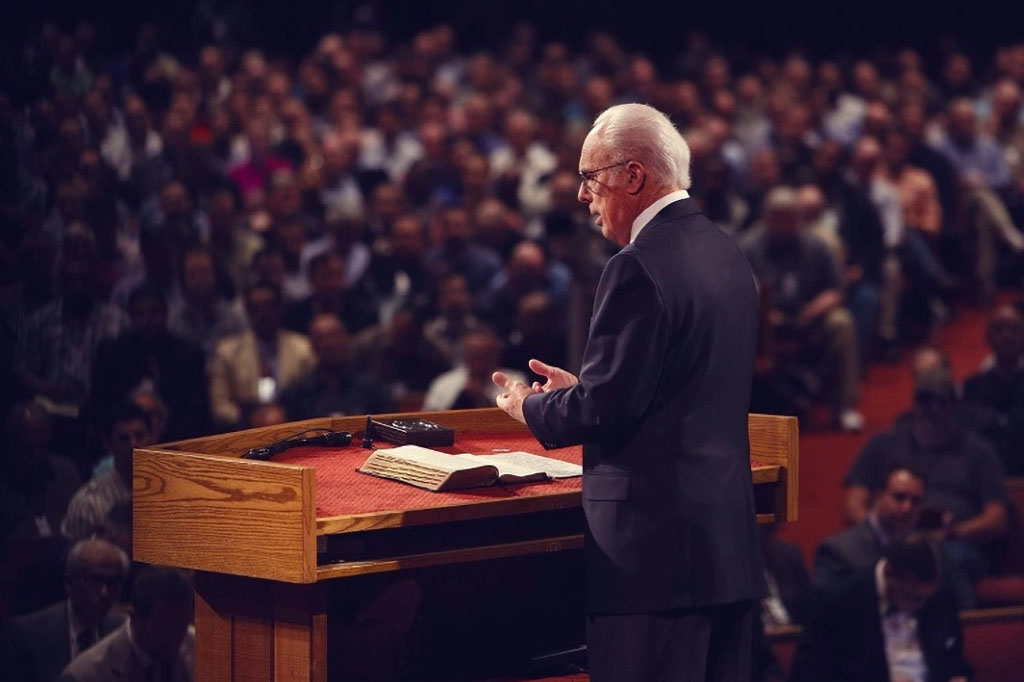
Some weeks the Bible just wrecks you. This was one of those weeks. As a preaching pastor who preaches through books of the Bible, verse by verse, there is nowhere to hide from these types of passages.
On this particular Monday morning, the passage waiting for me was Luke 13:10-17. The passage features the healing of a disabled woman in a synagogue while Jesus teaches on the Sabbath day. According to the text, this woman had been suffering from this physical disability for 18 years, and at least in some capacity, the disability was connected to demonic oppression. Luke records that this woman had a “disabling spirit” (v11) Later in this same passage, Jesus describes her condition as being “bound by Satan” (v16). Of course, this passage is often used and abused by those who try to simplify the connection between physical disability and spiritual realities. It can be erroneously microwaved into a concise teaching on all things disability and sadly this interpretation has led many professing Christians into a form of health and wealth theology that sees all disability as an example of either the demonic or a pure lack of faith in the part of the sufferer.
This story in Luke 13 is definitively not a one-size-fits-all passage on disability. True, this woman’s disability was connected to the demonic, but nowhere in the passage are we taught this is always the case. When looking at the wider data of disability in the New Testament it would appear to be an exceedingly rare occurrence. We do not find the phrase “disabling spirit” anywhere else in the New Testament. The miracle is about the restorative power of Jesus and his authority over both the physical and spiritual world. It is about the Kingdom of God.
Pastorally, I could not help but be moved by the plight of this woman. For almost two decades, this woman had suffered. As anyone who has endured chronic suffering knows: there is a distinct difference in suffering and suffering with no end in sight.
And yet, this woman had continued to show up at the synagogue on the Sabbath, week after week. She had continued to worship the same God who had, at least for 18 years, refused to heal her. I was moved by her faith. She reminded me of a friend with a similar exemplary faith who lives with chronic disability and I decided that I needed to visit her. Her name is Kaylee Hildebrandt. Kaylee has cerebral palsy. She will be 18 later this year. She is the oldest daughter of a fellow Pastor and close friend: Josh Hildebrandt. She is also one of the most consistently inspiring and faithful followers of Jesus I know. So Monday afternoon I called Josh to ask him when I might be able to visit with her.
Late that Wednesday morning I visited with Kaylee, her Dad, Josh, and her Mom, Bethany. Kaylee and I talked for a while about the passage and she shared her thoughts. I asked her about how she viewed this woman’s situation through her own experience living with long-term disability. We walked about Jesus’ power to heal and His promise to one day restore all things.
And then I asked her: How does this story make you feel?
And she said something I will never forget. She looked at me with a serious look on her face and said: “Sad, but happy”.
“What do you mean?”
“Sad that I am not healed yet. But happy that I will be”.
The healing of this woman with a disability was a source of present joy in a future reality Kaylee would also on day enjoy. She saw this miracle as a down payment on her future restoration, a promise that would be kept in the age to come. So, while her heart is sad that she remains “unhealed”, at the very same time she rejoices in what is to come.
I couldn’t help but be reminded of one of the most famous conversations in the Lord of the Rings when Samwise Gamgee encounters his friend Gandalf, whom he had mistakenly believed to be dead. Gandalf is the exact opposite of dead, however. He has experienced some kind of resurrection.
Sam lay back and stared with open mouth, and for a moment, between bewilderment and great joy, he could not answer. At last, he gasped: ‘Gandalf! I thought you were dead! But then I thought I was dead myself. Is everything sad going to come untrue? What’s happened to the world?’
Gandalf’s answer is interesting. ‘A great Shadow has departed,’ said Gandalf, and then he laughed, and the sound was like music, or like water in a parched land.’
Kaylee had properly explained where all Christians, living in this fallen world find themselves. Sad, but happy. And that happiness is not based on wishful thinking, it is grounded in the reality of Jesus’ healing, and restorative power. A kind of power we have, in Holy Scripture, merely seen glimpses of, but will one day encompass the cosmos.
A great Shadow will one day depart for good. Sin and death and suffering and disability will be done away with. The final Enemy judged.
And on that day, for Kaylee and everyone who is trusting in the finished work of Christ, everything sad will come untrue.



 Develop to Deploy
Leave a comment